Don’t Pee on My Nematocyst: A Lifeguard’s Guide to Jellyfish & Sea Nettles
As ocean temperatures continue to climb, our towers are seeing a lot more than just sunbathers. Warming waters mean massive blooms of gelatinous visitors. If you’ve spent more than a week on the stand, you’ve probably had a panicked beachgoer run up to you, clutching a stinging leg, begging you to pee on them—or worse, asking their friend to do the honors.
Before anyone unzips, let’s set the record straight on the science of stings, the mechanics of the nematocyst, and what actually works when treating jellyfish and sea nettles.
Meet the Cnidarians:
Simple But Deadly Design
Jellyfish aren't actually fish. They are invertebrates belonging to the phylum Cnidaria. They are incredibly simple organisms—about 95% water, with no brain, heart, or bones. Yet, they have survived for over 500 million years thanks to a highly sophisticated defense mechanism.
There are more than 4,000 species of jellies drifting through the world's oceans. While the common Moon Jelly (Aurelia aurita) might only cause a mild, annoying tickle, others can be incredibly painful or even lethal:
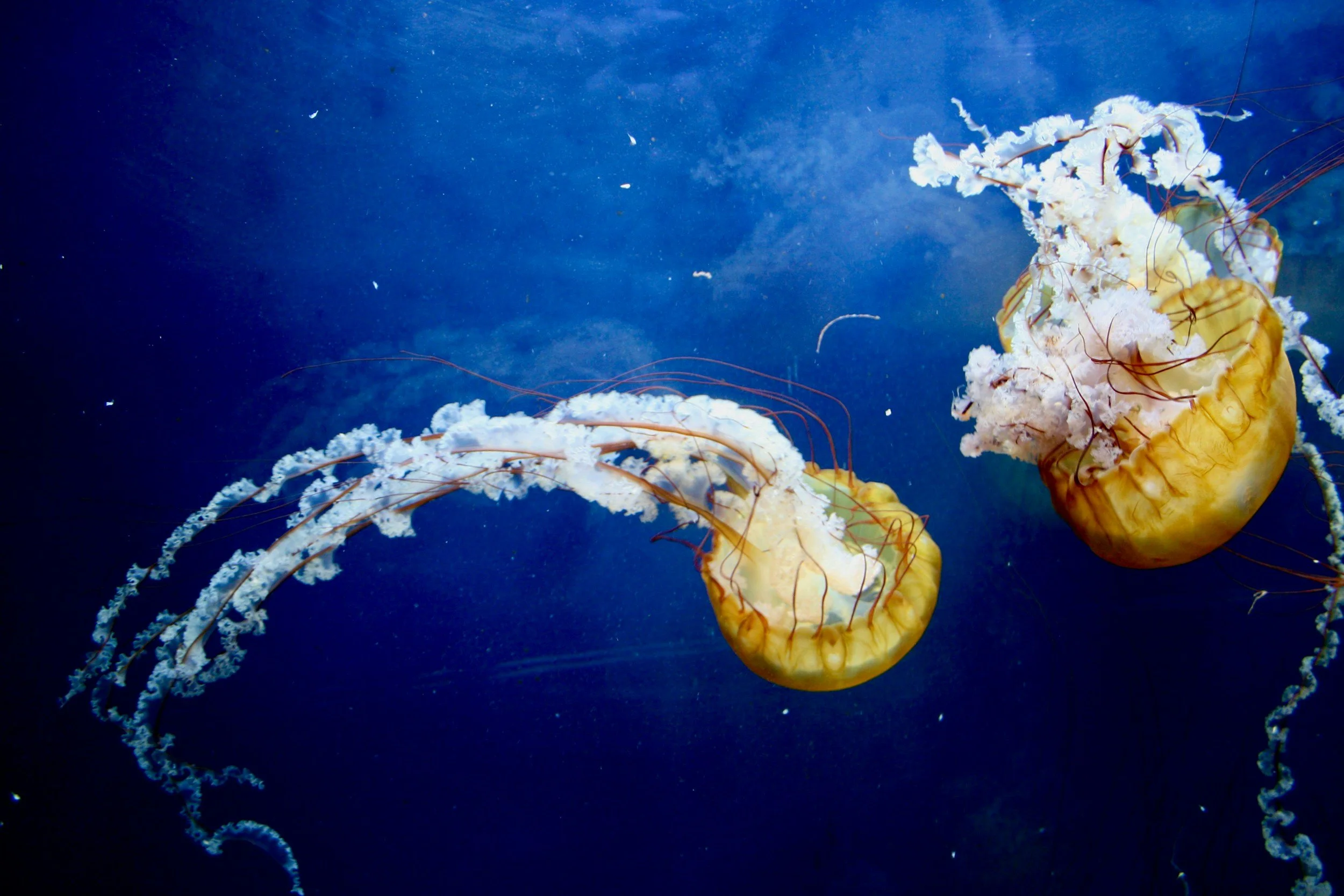
Sea Nettles (Chrysaora quinquecirrha):
Common along the US East Coast, these jellies pack a highly painful, burning sting..
The US Standard: In the US, we mostly deal with Sea Nettles and Lion’s Mane jellies, which cause localized pain, redness, and itching.
The Killers: In places like Australia, the Caribbean, and parts of the Indo-Pacific, lifeguards watch out for Box Jellyfish (Chironex fleckeri) and the tiny Irukandji. Their venom can cause rapid cardiovascular collapse, extreme systemic pain, and death in under ten minutes.
Toxic Shock (Envenomation): Is caused by highly toxic species, like the Portuguese Man-of-War (Physalia physalis) and the “killers” mentioned above. It is not an allergic reaction; it is the direct, destructive action of a massive amount of highly potent toxins attacking the victim's cardiac and nervous systems. In places like the Gulf of Thailand, Box Jellyfish envenomation is incredibly rapid. A retrospective study of severe Box Jelly stings showed that more than 50% of victims lost consciousness within just 2 to 3 minutes of being stung.
This article focuses on the more common “Sea Nettle” and less severe sting complications.
How the Sting Works:
Hydrostatic Pressure
Every jellyfish tentacle is lined with thousands of specialized stinging cells called cnidocytes. Inside each cnidocyte sits a nematocyst—a tiny, pressurized capsule containing a coiled, hollow barbed thread and a reservoir of venom.
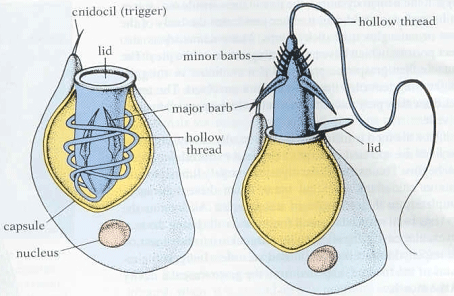
Fired vs Un-fired Cnidocyte
On the left is the unfired cnidocyte and on the right shows the released barb and venom.
The firing mechanism is a marvel of cellular engineering:
The Trigger: A tiny hair-like trigger (the cnidocil) on the outside of the cell detects physical touch or chemical signals from a victim's skin.
The Pressure Surge: Upon activation, calcium ions flood into the cell. This causes a sudden, massive rush of water into the capsule via osmosis.
The Launch: This rapid buildup of hydrostatic pressure reaches over 150 atmospheres (similar to the pressure inside a scuba tank).
The Impact: The capsule lid (operculum) bursts open, and the barbed thread accelerates out of the cell faster than a bullet. It pierces the victim’s skin and injects the venom in microseconds.
Crucial Lifeguard Note: When a tentacle drapes across a swimmer, only a fraction of the nematocysts actually fire. The rest are sitting on the skin, fully pressurized and ready to blow if they are disturbed.
The Treatment:
Science vs. Myth
Our primary job during a sting treatment is to prevent the unfired nematocysts from discharging. If you use the wrong substance, you will trigger osmotic shock, causing every single remaining capsule to fire at once.
IMMEDIATELY
1. Do NOT Rub or Use Fresh Water:
Do not let the victim rub the area with a towel or sand, and keep fresh water far away. Fresh water has a lower salt concentration than the inside of the stinging cell, causing water to rush into the cell via osmosis and instantly trigger the remaining nematocysts.
Within ONE - Two Minutes
2. Neutralize the Venom:
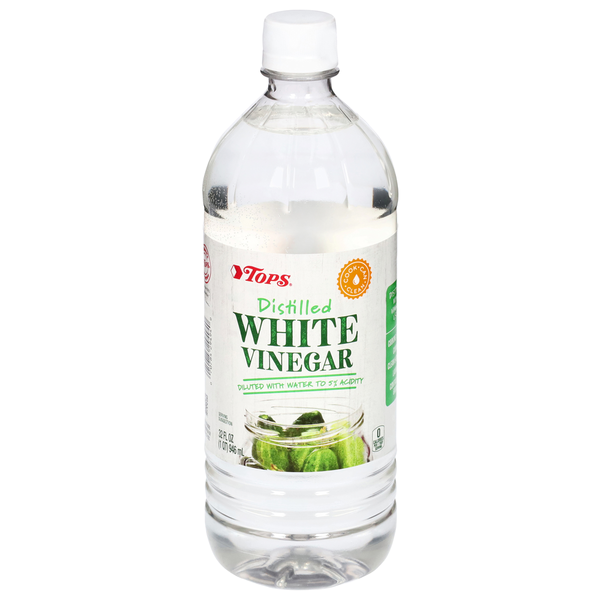
For Sea Nettles/Standard US Jellies: Flush the area liberally with vinegar (5% acetic acid) for at least 30 seconds. Vinegar chemically deactivates the firing mechanism of these specific species.
The Saltwater Fallback: If you do not have vinegar on hand, flush the area aggressively with clean saltwater to wash away the tentacles.
NEXT …Careful Extraction
3. Remove the Tentacles:
Once neutralized, use tweezers, the edge of a plastic credit card, or gloved hands to gently lift any remaining tentacle fragments off the skin.
Follow-Up … Pain Management
4. Apply Heat:
Immerse the affected area in hot water (ideally 104°F to 113°F / 40°C to 45°C) or apply a hot pack for 20 to 45 minutes. The heat helps denature (break down) the heat-sensitive protein toxins in the venom.
What About the Myths?
Urine: Just say no. Urine does not have a consistent chemical makeup or pH. Depending on the victim's hydration level, it can actually act like fresh water, triggering a massive discharge of venom.
Alcohol/Meat Tenderizer: These can chemically trigger the stinging cells. Stick to vinegar and saltwater.
Local Pain vs. Anaphylaxis:
Knowing When to Call EMS
As a first responder, your primary assessment must distinguish between a normal, localized reaction and a life-threatening systemic emergency.
Localized Reaction (Treat at the Scene)
Redness and whip-like welts
Localized burning, itching, or throbbing
Mild swelling confined to the sting site
Symptoms that peak and begin to fade within an hour
Systemic/Anaphylactic Reaction (Activate the EMS Immediately)
Difficulty breathing or wheezing
Swelling of the lips, tongue, or throat
Dizziness, confusion, or loss of consciousness
Nausea, vomiting, or abdominal cramps
Severe Envenomation Protocol:
If the sting covers more than half of a limb, or if the victim is a small child or elderly individual, monitor them closely for at least 30 minutes. If you suspect a highly toxic species (like a Portuguese Man-of-War or a Box Jelly), activate EMS immediately regardless of initial symptoms, as systemic cardiovascular and neurological effects can take several minutes to manifest.
Keep your vinegar bottles filled, keep your eyes on the water, and keep the urine where it belongs. Safe guarding out there!